

How a VP in Tech Sales Changed the Game by Building a Social Media Presence
When most people hear the words “personal brand,” they immediately think of entrepreneurs, influencers, content creators, or business owners. But what if you don’t own the company? What if you’re an employee? Do you really need to be building a social media presence? After watching what happened with my client Courtney Letema, VP of Inside Sales at Winslow Technology Group, my answer is a giant YES.
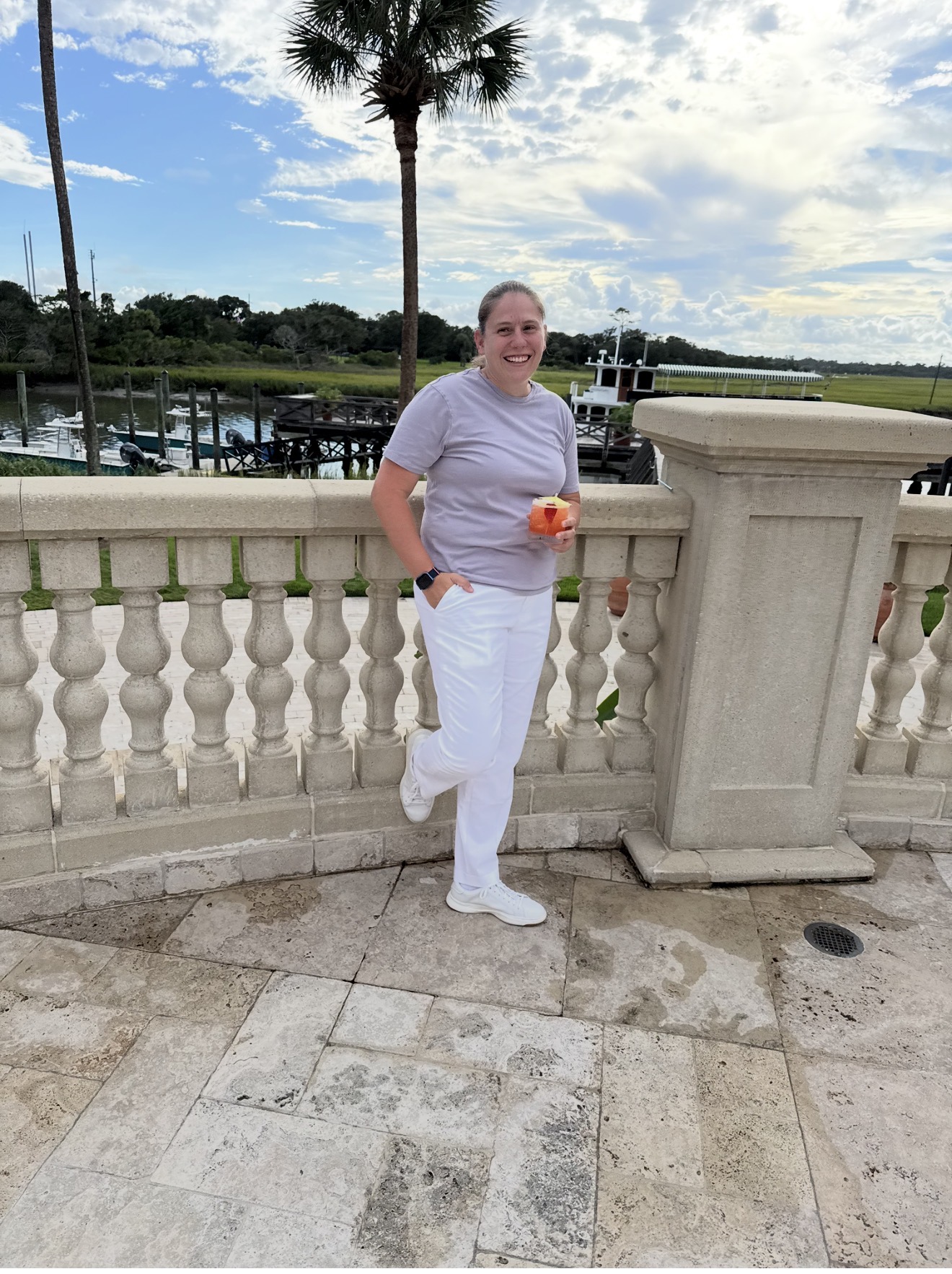
Courtney has spent years building an incredible career in tech sales. She started as an inside sales representative and eventually worked her way up to Vice President of Inside Sales at Winslow Technology Group. She leads people, builds teams, creates culture, and has a ton of knowledge and experience to share. But when Courtney and I first met, becoming a “content creator” was absolutely NOT on her career vision board. Actually, she didn’t even want to be in the videos.
We met at an industry event where my team was creating social media content for another client. I was trying to get people involved in TikToks and videos, and Courtney was more than happy to help me find OTHER people to participate. Courtney herself? Hard pass. She was perfectly happy watching TikTok. She had absolutely no desire to perform on it. But as the event went on and she watched what we were creating, something started clicking. She began thinking about what companies in the tech industry might be missing when it came to social media.
Companies can send emails. They can have beautiful websites. They can host events and attend conferences. But social media gives companies—and more importantly, the PEOPLE behind those companies—the opportunity to build relationships, create trust, share ideas, and become recognizable. Eventually, the conversation became bigger than what social media could do for Winslow. We started talking about what building a personal brand could do for Courtney.
This is where I think so many employees get personal branding wrong. Building your personal brand doesn’t automatically mean you’re planning to quit your job. It doesn’t mean you’re secretly trying to become an influencer, and it definitely doesn’t mean you have to start dancing on TikTok between meetings. Your personal brand is simply giving people the opportunity to know who you are, what you’re good at, what you believe, and what you bring to the table.
For Courtney, one of those things was leadership. She saw a gap in conversations around sales leadership, especially when it came to creating strong team cultures and leading people with purpose and empathy instead of power. Those were things she genuinely cared about, and social media gave her a place to start talking about them. There was just one tiny problem: Courtney did NOT want to put herself out there.
When we started working together, we started small. Graphics. Her colors. Her ideas. No pressure to suddenly become Miss LinkedIn overnight. Even posting that first graphic made her nervous. During our conversation, Courtney talked about being a woman in tech and how sometimes you can feel like you don’t deserve a seat at the table or that maybe you’re supposed to stay in the background. But eventually, she realized that she had something worth saying and it was time to let her voice be heard.
That’s really what personal branding is. It isn’t standing on the internet screaming, “LOOK AT ME!” It’s saying, “I have something valuable to contribute to this conversation.”
Then something really cool started happening. People started paying attention. One younger business development representative at Winslow approached Courtney after seeing her LinkedIn content about leadership and leading with empathy instead of power. They ended up having a meaningful conversation about it. This was someone at the beginning of his sales career learning from someone who had already spent years building hers. That interaction helped Courtney realize that people were actually listening. Her experience could help someone else. The things she had learned throughout her career were valuable, and putting those lessons online gave them the ability to reach people she might never otherwise have conversations with.
Eventually, I called Courtney with the question she probably hoped I would never ask: “Can I post this video of you?” Courtney is naturally a private person. Her personal social media accounts were locked down, and she openly admitted that hearing her own voice on video made her uncomfortable. But after seeing the response to her earlier content, she said yes. And then, according to Courtney, she basically stayed off LinkedIn for a day. 😂
But we kept going. We started sharing more of Courtney—her thoughts, accomplishments, leadership, career, face, and voice. The more she showed up, the more people started recognizing her. And that’s when her personal brand started doing something even bigger: it started building the company’s brand too.
Courtney wasn’t only creating visibility for herself. She was creating visibility for Winslow. When people landed on her LinkedIn profile, they knew where she worked. When she talked about leadership, culture, her team, company events, and what they were building, people naturally connected those things back to Winslow Technology Group. Courtney started walking into partner offices where people already knew who she was because they had seen her on LinkedIn. In another situation, someone had seen so much of Courtney’s content that he thought he’d been following the company’s page when he’d actually been following Courtney’s personal page.
Think about how powerful that is. An employee’s personal brand had become so connected to the organization that people were discovering and remembering the company through HER.
And the impact didn’t stop at brand awareness. Courtney started seeing it in recruiting too. While interviewing candidates for an open position on her team, she had someone reach out who had been watching her content. The job looked like a good fit, but there was another reason he was interested: he had been watching Courtney on LinkedIn and wanted to work for her. That’s the power of showing your leadership and company culture publicly. Potential employees don’t only see a job description anymore. They can see the person they might work for. They can see how you lead, what your team values, and what kind of culture you’re creating before they ever walk into an interview.
This is the part I really want employees to understand. Imagine an employer is looking at two equally qualified people. Both have experience. Both can do the job. But one of them has also spent years building credibility in their industry. They have relationships. People recognize their name. They communicate well. They have an audience. They have demonstrated leadership, and they know how to create visibility for the organization they represent. Who brings more to the table?
Building your personal brand doesn’t have to be about creating an escape plan from your employer. It can actually make you more valuable to the company you’re already working for. At the same time, you’re building something that belongs to you: your professional reputation.
Courtney doesn’t know exactly where building her personal brand will take her, and honestly, that’s part of what makes this story so exciting. Since she started consistently showing up, she’s already experienced new relationships, recognition, conversations, and opportunities. She’s also using her platform to talk about things that are bigger than herself—sales leadership, women in tech, building strong teams, creating culture, and leading with empathy over power.
You don’t always know who’s reading your posts. You don’t know who’s watching your videos. You don’t know what conversation might happen because someone saw something you shared. You don’t know which recruiter, executive, potential client, future employee, partner, or opportunity might discover you because you finally decided to show up.
So if you’ve been telling yourself, “I’m just an employee. Why would I need social media?” I want you to flip that question. Instead, ask yourself: What opportunities could I be missing because nobody knows what I’m capable of?
You don’t have to own the business to build a personal brand. You don’t need millions of followers. And you definitely don’t have to become an influencer. Start showing people what you know. Talk about what matters to you. Share your experience. Celebrate what you’ve accomplished. Build relationships. Let people see what you’re capable of.
Because being great at your job is one thing. Being known for being great at your job can change the game.
Listen to the full conversation on The Social Party Podcast: “How a VP in Tech Sales Changed the Game by Building a Social Media Presence.”
